

Ten years of preparation, three attempts at the theory, two at the tasting. Tony Lécuroux, who became a Master Sommelier in Vienna in 2025, talks about what the title brings, what it doesn’t, and how he sees the future of the profession.
A diploma you prepare for over years, that you sit by invitation only, and that around 300 people worldwide have earned in more than half a century: the Master Sommelier title has every reason to fascinate. But what is it really worth when you are already a working sommelier, with a job, a wine list to manage and a team to train?
To understand, let’s start with what the institution says about itself. The Court of Master Sommeliers was founded in 1977 to encourage high standards of beverage service. The first Master Sommelier exams, however, date back to 1969, in London. The first exam held outside the United Kingdom took place in 1987 in Monterey, California. Today, the Court presents itself as the leading examining body for sommeliers and beverage professionals.
The path has four levels. The Introductory lasts three days, one of them an exam, and requires at least twelve months of practical experience in hospitality. The Certified is a one-day exam that includes a blind tasting of two wines. The Advanced lasts five days, two and a half of them exams, with six wines to taste blind in twenty-five minutes. The pass mark for each part is 60%.
The final level is of a different kind. The Master Sommelier Diploma is open only to holders of the Advanced certificate, by invitation. It has three parts: a one-hour oral theory exam, a service practical of around forty-five minutes, and a blind tasting of six wines in twenty-five minutes, described aloud to a panel of Master Sommeliers. The pass mark rises to 75% for each part, and all three must be passed within three years. The Americas chapter of the Court estimates that the journey usually takes five to ten years, or even longer.
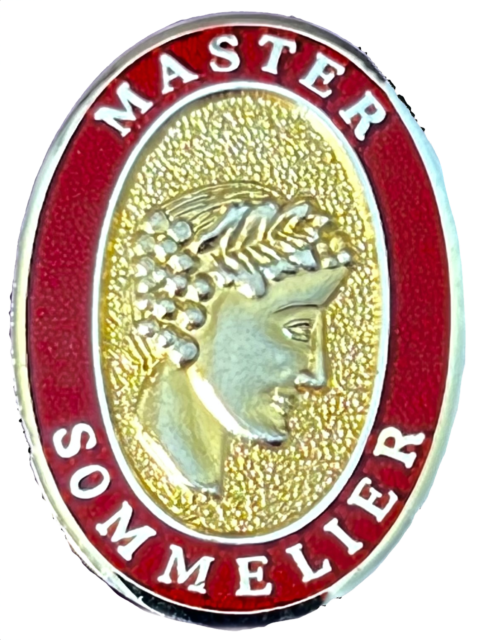
What does the Court promise those who make it? On its website, it highlights better prospects for career, promotion and pay; the trust of employers, who see it as a guarantee of “efficient and profitable” beverage management; and the trust of guests, reassured by the pin. It also stresses how rare the title is.
These are the institution’s own arguments, and they should be read as such. So what does someone who has made it think? We put the question to Tony Lécuroux.
Tony Lécuroux is an independent sommelier, a Master Sommelier since 2025, and works under the name Paroles de Vins. He also finished second in the Swiss selection for the Best Sommelier of the World competition.
Interview with Tony Lécuroux
The dream and the journey
When did you decide you wanted to become a Master Sommelier, and why?
It was a long-term project. At first it was just a dream: I imagined Master Sommeliers as superhumans. Then, as I moved through the levels of the programme, I started to think it might be possible. My close friends Bertrand Lutaud MS, Paul Robineau MS and Paul Fauvel MS passed the exam the year before me. That’s when I told myself it was really possible.
How long did you prepare, and how did you organise it day to day?
All in all, the Master Sommelier project represents nearly ten years of work. The organisation changed with each level, because the requirements get stricter and stricter. I started with a fairly light schedule, and by the end it was highly structured, with rules and obligations to follow every day.
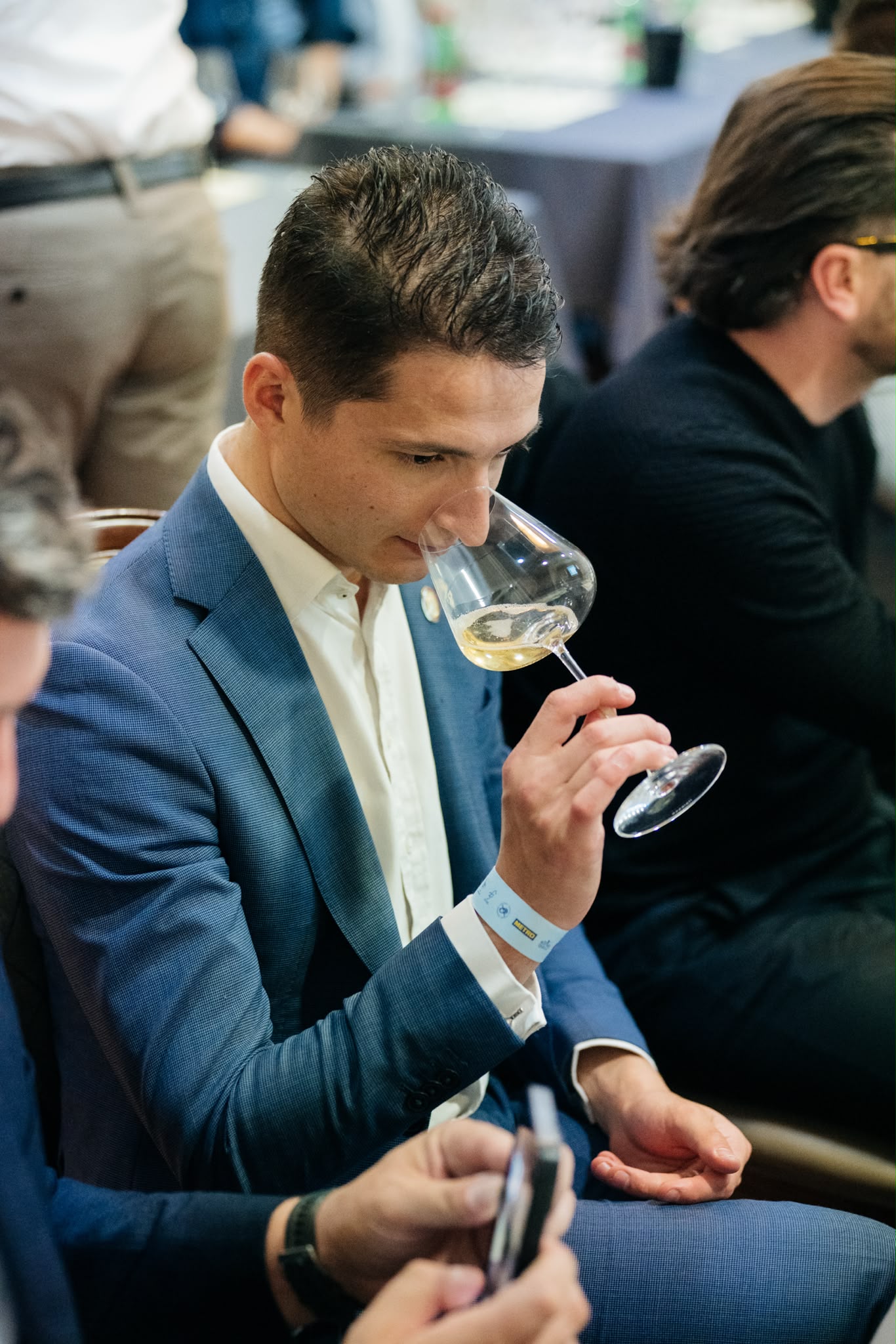
In the morning when I woke up, before eating or after exercise, I went over the maps I had drawn myself, one by one. Then almost an hour of flashcards over breakfast. Then, between 8:30 and 11 a.m., one to two hours of research: producers, profiles, cuvées, regions in detail, new information every day.
Then I went straight into my two restaurant services. Between services, I did 30 minutes to an hour of comparative tasting, or an hour to an hour and a half of revision. I also did blind tasting at least twice a week. In the evening, we sometimes held question sessions among colleagues: 50 questions each over an hour and a half. In total, that was three to five quizzes a week.
Which part was the hardest for you, and why?
Two stand out. First the tasting, which I passed on my second attempt. There is always an element of chance when you taste: you have to feel good, at ease, in tune with the wines, with your body and with your mind. Arriving at peace, without stress and with confidence is essential, and that takes an enormous amount of preparation.
Then the theory, which took me three attempts. You have to push learning and thinking very far, so that the information comes instantly the moment the question is asked.
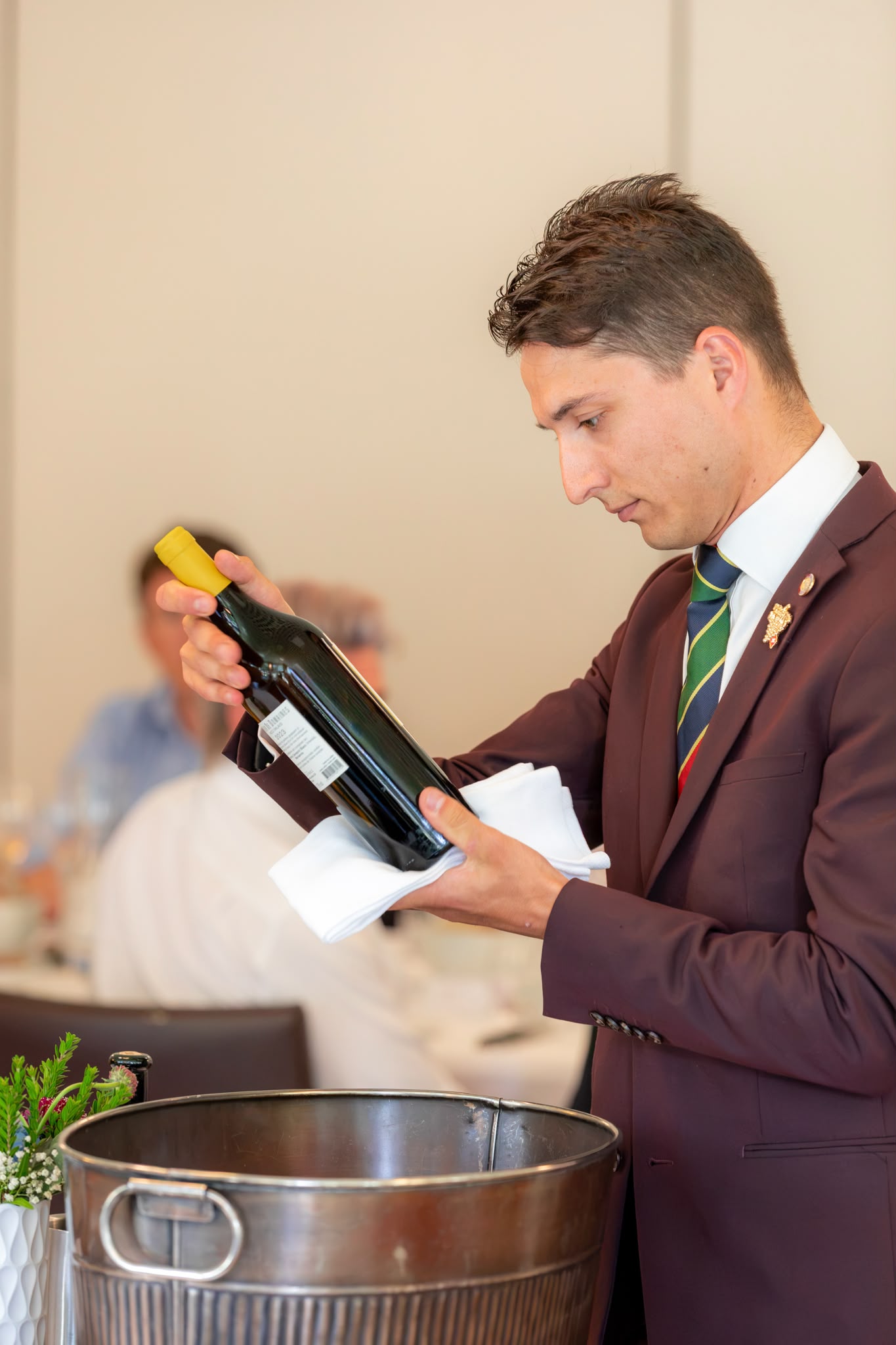
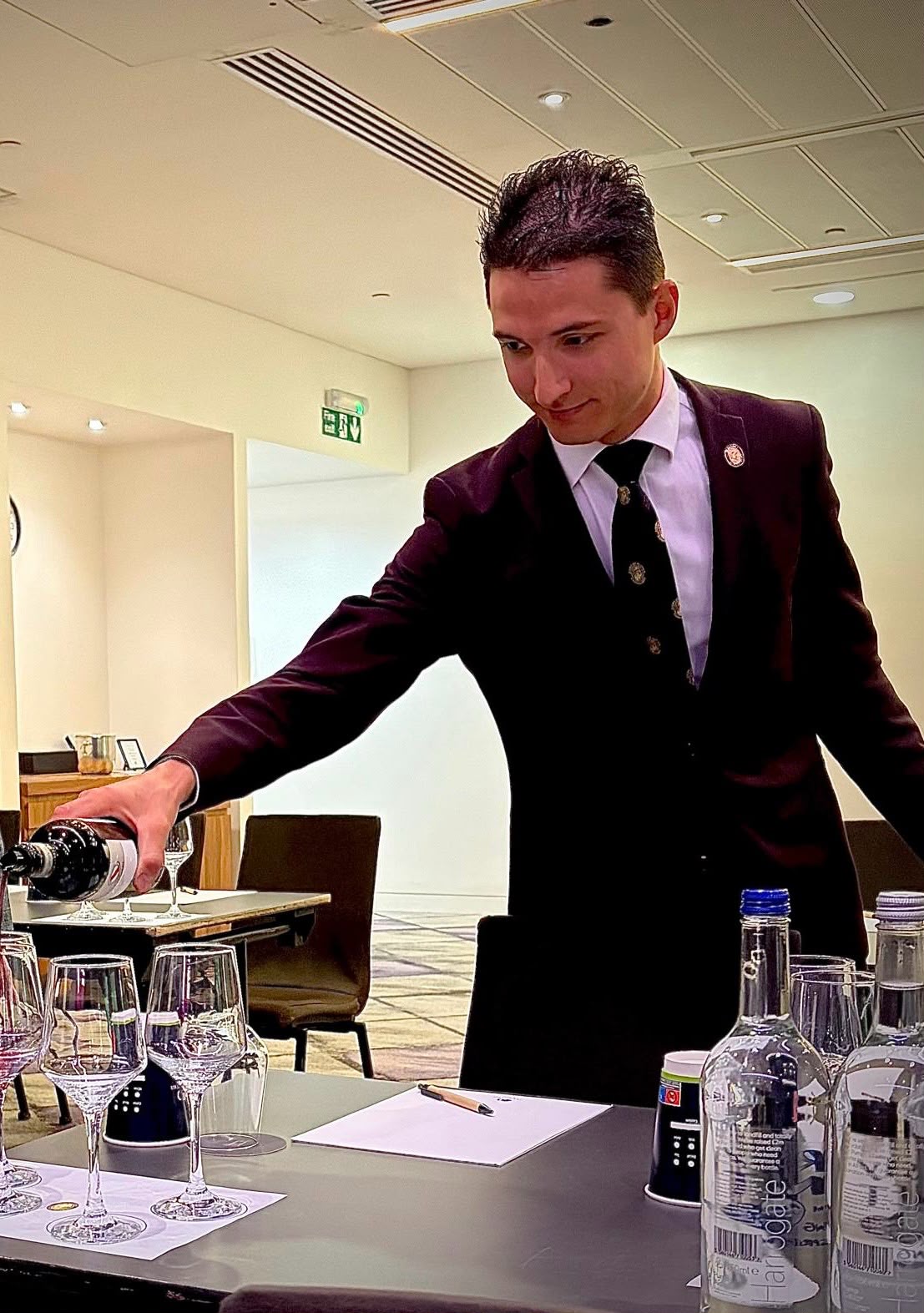
How did you feel the day you found out you had passed?
A lot of emotion. We got the result the same afternoon as the exam, in Vienna. I was surrounded by my colleagues and friends, the people I had prepared and trained with. Nine of us passed at the same time: we all hugged each other, it was a very powerful moment. The first thing I did was go and have a beer. At moments like that, it’s the best way to release the pressure! It took me nearly three weeks to take in the result, and almost a year to really absorb it.
On the other side of the title
What has changed for you since you earned the title?
The mindset changes, and above all the expectations of the people around you. You go from candidate to Master Sommelier, and people expect you to have answers on everything, including business, marketing, new dynamics and new directions in the market. So you have to stay on top and follow every trend. The way I see wine, though, hasn’t really changed: you stay curious, always looking for new things and inspiration.
Now I also care deeply about passing on what I have learned to the sommeliers of tomorrow. To me, that is a very strong form of recognition.
Does the recognition in the field match the investment?
In Switzerland, it’s harder. In the French-speaking world, the Master Sommelier title is still little known, and therefore hard to put to use. For now, the recognition does not match the time and energy I have put into it. But for more than a year I have been working to make the title known and understood locally, notably through Paroles de Vins, teaching, various events and advising private clients.
Above all, I want to inspire a new generation of sommeliers to take on this wonderful project, which I recommend to everyone, while staying as approachable as possible. You learn the world of wine in detail, but not only that. You meet people all along the way who quickly become close friends, and you learn to push your own limits and discover a new, sometimes hidden, side of yourself. It is something of a life project.
Today you sit on the examining panel: how has your perspective changed?
Moving to the examiners’ side for the first time, sitting next to the mentors you have had over the years, is inevitably very emotional. The pressure and the energy of those days remain very strong and very powerful.
At Master level, we look at professionalism, stress management and the ability to run a service. Being a sommelier, and even more so a Master Sommelier, takes a particular state of mind, with hospitality at the heart of your life. Of course, this level stands for excellence, but we don’t expect a candidate to be perfect. They have their flaws, but we want to see how they handle their doubts and bring them to the guest with flexibility and elegance. At Introductory, Certified and Advanced level, we try to spot tomorrow’s talent and give them the keys to move forward and grow. We look ahead to what comes next.
The profession of tomorrow
Are expectations changing along with the profession?
Yes, especially with the arrival of artificial intelligence and very advanced technologies. The sommelier’s profession is going to be deeply restructured. Technology makes information easier to access than ever. But to pass the exams, you will always have to work, do your own research and your own analysis, which may become harder when AI hands out answers so easily.
In restaurants and in business more broadly, anyone will easily find information. AI agents are already able to suggest a sound, good-quality food and wine pairing: I have tested this myself.
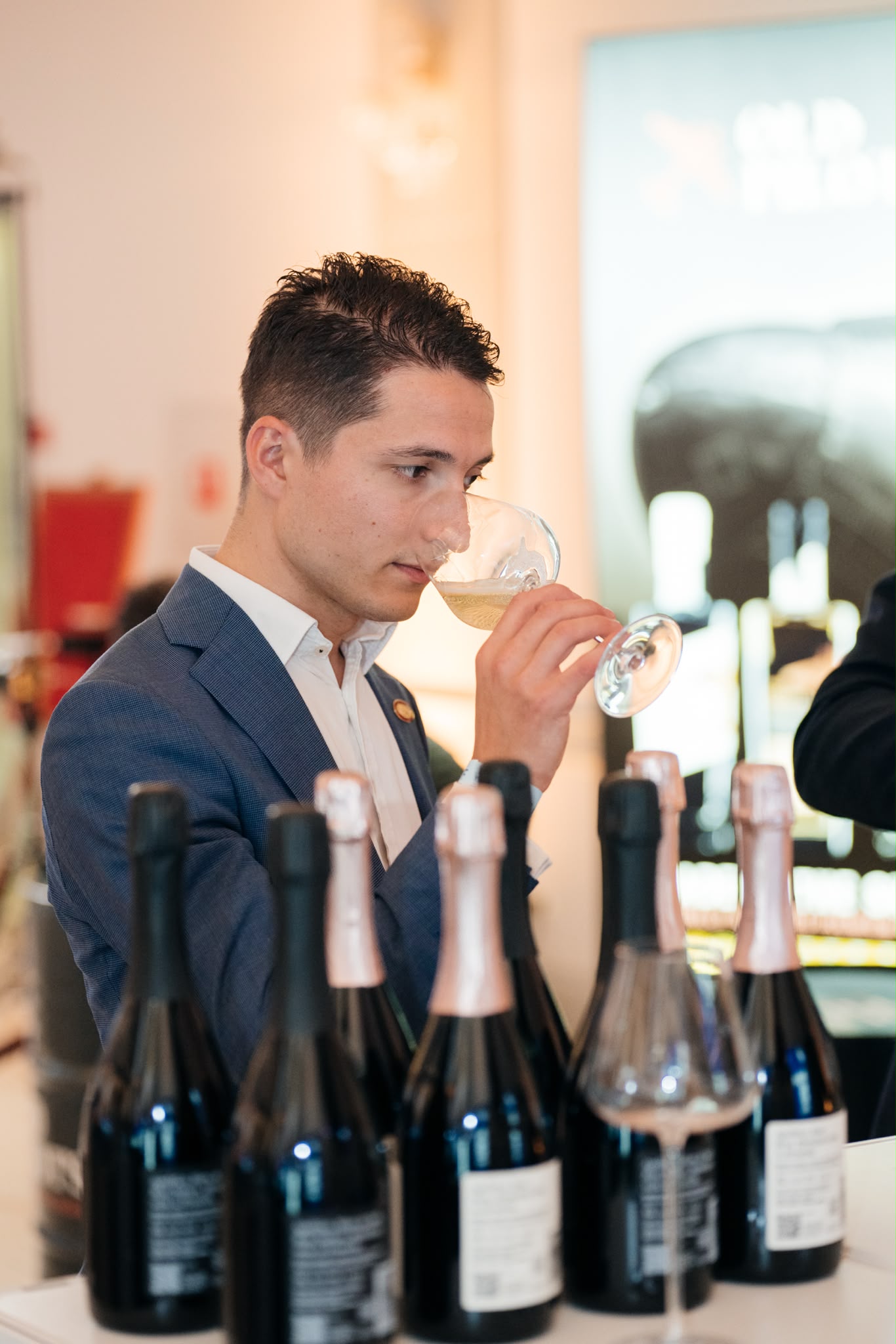
On the other hand, technology will never replace the human connection, the social side, the closeness and the winemakers’ stories. As I always say, today’s guest is looking for an experience, and it is that experience that will keep the wine world alive and vibrant. That is the direction we need to take to make our wonderful profession last and make it more human than ever.
Key takeaways
- A long-haul project: nearly ten years, a strict daily routine, and several attempts at the theory (three) and the tasting (two).
- Recognition still to be built: in Switzerland and the French-speaking world, the title remains little known. Tony Lécuroux is working to make it understood, but the recognition does “not yet match” the investment.
- People at the centre: in the face of artificial intelligence, it is human connection, winemakers’ stories and the guest experience that will make the profession valuable.
Thinking of taking the plunge? The 2027 calendar of courses and exams in Europe (Introductory, Certified, Advanced) is available on the official website of the Court of Master Sommeliers Europe, along with the 2026–2027 prospectus, which sets out the programme for each level.
Not to be confused: the Court of Master Sommeliers is an examining body, whereas the Best Sommelier of the World is a competition organised by ASI. This series covers it in “How competitions reshaped the sommelier’s profession”.
What about French-speaking Switzerland? The other Master Sommeliers
The title remains rare in French-speaking Switzerland. The Court keeps a public list of its members (305 to date), but without indicating their country. To our knowledge, here are three other Master Sommeliers based in French-speaking Switzerland, alongside Tony Lécuroux.
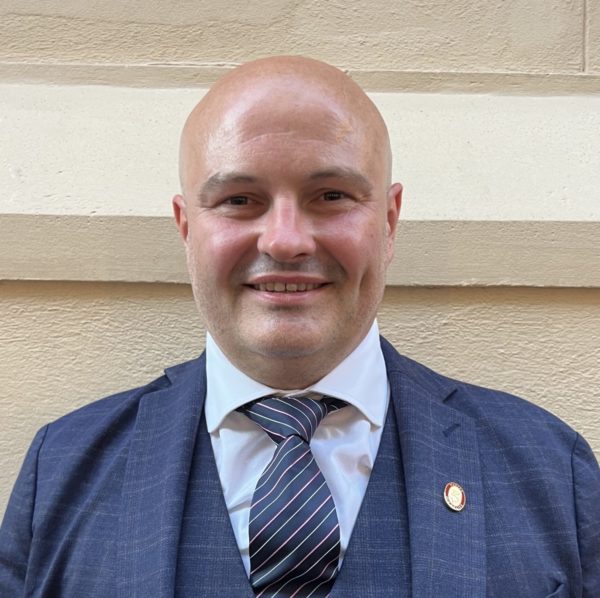
Bertrand Lutaud, MS 2024. Franco-Australian, he began his career in Sydney before moving to Europe in 2003 to work in Michelin-starred houses. In 2004 he joined the Hôtel de Ville de Crissier, where he became head sommelier under Philippe Rochat, before settling in Geneva. Around 2017 he opened Yeast there, a restaurant and delicatessen in Carouge, one of the first in the city to serve sharing plates. A Master Sommelier since 2024, he is also a judge at the Decanter World Wine Awards (since 2026) and Star Wine List ambassador for Geneva.
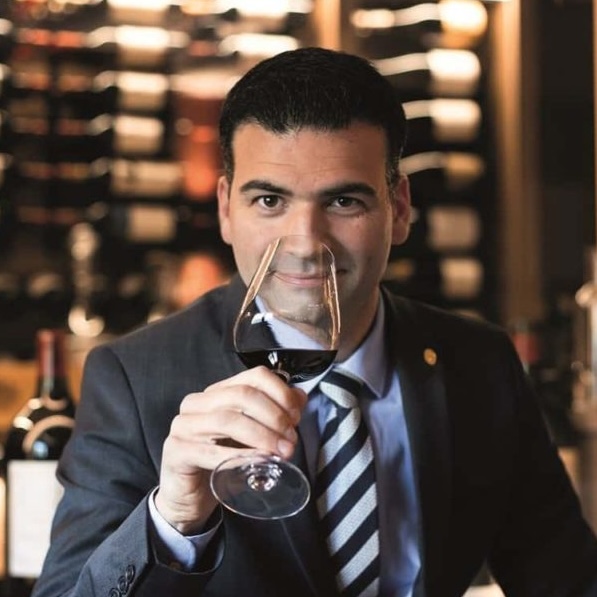
Fabien Mène, MS 2025. He passed the diploma in Vienna on 22 June 2025, like Tony Lécuroux, among the year’s nine new Master Sommeliers. Best Sommelier of Switzerland in 2021, he was executive sommelier of the M3 group, then joined the Épicerie du Domaine de Châteauvieux in Satigny, succeeding Thierry Jeantet, recruited by Philippe Chevrier. He also sat on the jury of the international final of the Chaîne des Rôtisseurs Young Sommeliers Competition in Geneva in September 2025.
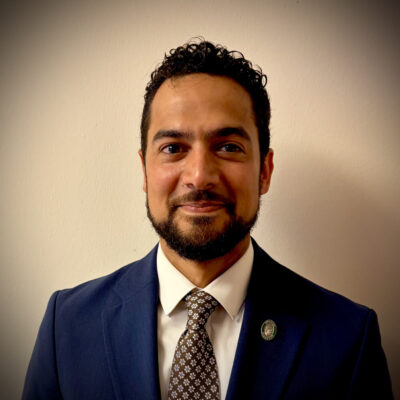
Réza Nahaboo, MS 2026. The most recent Master Sommelier in French-speaking Switzerland, he passed in Vienna in June 2026, along with five other candidates. Born on Réunion Island, he came to Switzerland at 19, after an apprenticeship and sommelier training in France. There he worked in Michelin-starred restaurants, including a three-star. Best Sommelier of Switzerland in 2016, he finished 12th in the ASI Best Sommelier of the World competition in 2023. He is now head sommelier and a lecturer at EHL Hospitality Business School in Lausanne.
Sources: Court of Master Sommeliers Europe, Prospectus 2025 · Why Become a Master Sommelier ? · Court of Master Sommeliers Americas, About Master Sommeliers · Court of Master Sommeliers Europe, member list · Un Œil en Salle, six new MS in 2024 · Decanter, Bertrand Lutaud profile · Star Wine List, Bertrand Lutaud · Chaîne des Rôtisseurs, Fabien Mène MS · The Buyer, Réza Nahaboo · Court of Master Sommeliers Europe, Vienna diploma, June 2026 · Vinetur, Nine new Master Sommeliers